
Birth Control Methods
Cervical Cap
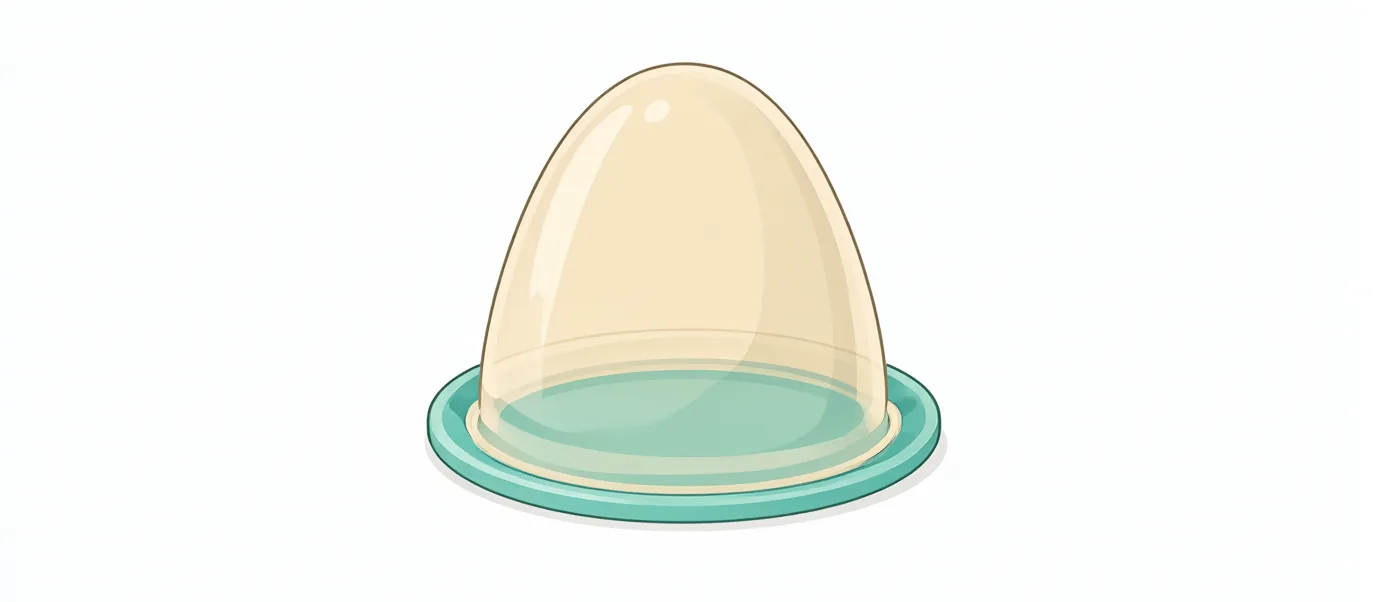
How it works
The cap physically covers the cervix. It stays in place by suction. Spermicide immobilizes sperm. Using both together increases effectiveness. The cap alone is not enough. Its effect ends as soon as it is removed. Fertility is not affected. The cap does not protect against STIs; a condom should be added.
How do the diaphragm and cap fit over the cervix?
Loading…
Types and sizes
The FemCap type comes in three sizes:
- Small: Women who have never been pregnant
- Medium: Women who have been pregnant but have not had a vaginal birth
- Large: Women who have had a vaginal birth
The size is determined by examination. A new fitting is needed after childbirth, weight change or surgery. At SoftCare, the right size is chosen and you are taught how to insert it.

Choosing the size and refitting
Loading…
Who it is suitable for
- Those who do not want to use hormones
- Those who prefer protection only when having sex
- Those who do not want an IUD or implant
- Breastfeeding women
- Those who want a smaller barrier than the diaphragm
Situations that need care:
- Latex or spermicide allergy
- A cervical abnormality, or awaiting treatment for CIN
- Frequent urinary tract infections
- The first 6 weeks after giving birth
- During your period (not recommended because of the risk of toxic shock)
In the CDC US MEC 2024, the cervical cap is category 1 in most situations. Spermicide is used with caution where sex carries a high HIV risk.
Insertion
- Wash your hands.
- Apply spermicide inside the dome and around the rim.
- Squeeze the cap between two fingers.
- Push it into the vagina and fit it over the cervix.
- Check with a finger that suction has formed.
- Make sure the cervix is completely covered.
It can be inserted anywhere from 15 minutes to 40 hours before sex. If more than 2 hours have passed, apply more spermicide. Insertion takes practice. A check in the clinic is recommended the first time.
How to insert a cervical cap: step-by-step animation
Loading…
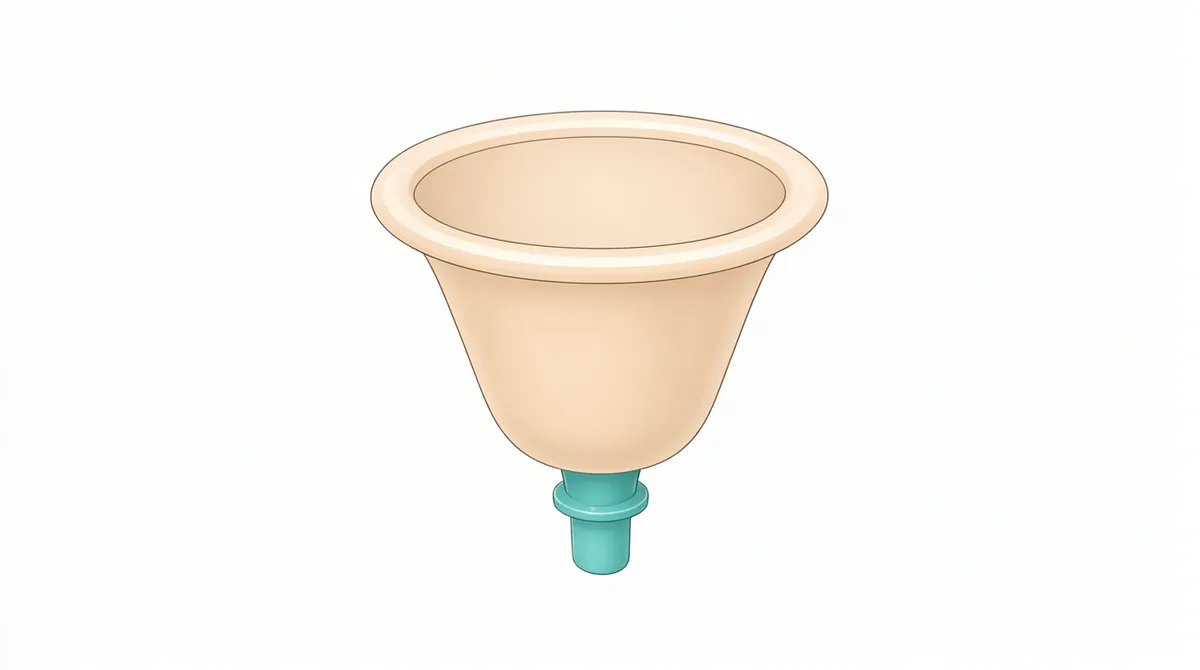
Timing rules
- It stays in place for at least 6 hours after sex.
- The total time should not exceed 48 hours.
- If you have sex more than once, apply more spermicide each time. Do not remove the cap.
- If removed before 6 hours, protection is reduced.
- If left in longer than 48 hours, the risk of toxic shock syndrome rises.
At SoftCare, the timing rules are given in writing.
Timing around intercourse: when to insert, when to remove?
Loading…
Removal and care
- Pull it out by the strap or rim with your finger.
- Wash it with lukewarm water and soap.
- Dry it and store it in its case.
- Check for holes or tears.
- Replace it once a year. A new fitting is done after childbirth.
Oil-based lubricants can damage silicone. Use water-based products.
Side effects and risks
Common:
- Vaginal irritation or burning (from the spermicide)
- Increased risk of urinary tract infection
- Vaginal discharge or odor
Rare risks:
- Toxic shock syndrome (if left in too long)
- The cap slipping out of place
- Increased risk of HIV transmission linked to spermicide (with frequent use)
If infections keep coming back, the size is checked or another method is discussed. If you have fever, a rash, vomiting or dizziness, remove the cap and seek urgent care.
Effectiveness
Women who have never given birth:
- Perfect use: about 91%
- Typical use: about 84%
Women who have had a vaginal birth:
- Perfect use: about 74%
- Typical use: about 68%
Things that reduce effectiveness:
- Not using spermicide
- Incorrect insertion
- Removing it before 6 hours
- A hole or tear
- Wrong size
- History of vaginal birth
Adding a condom lowers the risk of both pregnancy and STIs. In women who have had a vaginal birth, the diaphragm may be more effective.
Emergency contraception: options by hours since intercourse
Loading…
How it differs from the diaphragm
- The cervical cap is smaller and fits over the cervix.
- The diaphragm is larger and rests against the vaginal walls.
- The cap can stay in for up to 48 hours; the diaphragm usually for 24 hours.
- The cap is less effective after a vaginal birth.
- Both require spermicide and neither protects against STIs.
At SoftCare, which one is suitable is decided based on your birth history and preference.
Diaphragm vs. cervical cap comparison
Loading…
How it differs from the gold IUD and other methods
At SoftCare, the gold IUD is our first choice. The cervical cap may be preferred in these situations:
- A patient who does not want to use hormones
- A patient who wants protection only when having sex
- A patient who does not want an IUD
The gold IUD carries no risk of forgetting and is much more effective. Condoms protect against STIs. The cervical cap is only a barrier against pregnancy. It does not protect against STIs. The decision is based on hormone preference, birth history and ability to use it consistently.
Compare methods
Loading…
Follow-up
- Sizing and insertion training at the first visit
- A new fitting after childbirth or weight change
- Annual check-up
- Assessment for recurrent infections
- STI testing if there is a risk
At SoftCare, patients starting the cap get insertion practice and written timing rules.
Our approach at SoftCare
At SoftCare Clinic, assessment for the cervical cap starts with a gynecological examination and choosing the size. The gold IUD is our first recommendation; the cap is discussed with patients who do not want hormones or prefer protection only when having sex. The right size is chosen. You are taught how to insert it. Timing rules are given in writing. If you have had a vaginal birth, the difference in effectiveness is clearly explained. If there are recurrent infections or difficulty using it, another method is recommended. If there is an STI risk, condoms and testing are recommended.
Appointments: +90 212 241 30 10 · softcareclinic.com
References
- 1. Centers for Disease Control and Prevention (CDC). U.S. Medical Eligibility Criteria for Contraceptive Use, 2024.
- 2. Cleveland Clinic. Cervical Cap.
- 3. WebMD. Cervical Cap (FemCap).
- 4. NHS inform. Cap.
- 5. Trussell J. Contraceptive failure in the United States. Contraception. 2011;83(5):397–404.
- 6. Gallo MF, et al. Cervical cap versus diaphragm for contraception. Cochrane Database Syst Rev.
- 7. T.C. Sağlık Bakanlığı. Gebeliği Önleyici Yöntemler.
- Note: Timing rules and sizing may vary by type of cap. At SoftCare, the gold IUD is our first choice; the cervical cap is discussed with selected patients. This reference list is for information purposes.
Frequently asked questions
Do I need to put it in every time I have sex?
Yes. Without it, there is no protection.
Is spermicide necessary?
Yes. The cap alone is not enough.
What happens if I take it out before 6 hours?
Protection is reduced. Sperm may still be alive.
Can I use it during my period?
It is not recommended. There is a risk of toxic shock.
Is it effective if I have had a vaginal birth?
Effectiveness is lower: about 68% with typical use. A diaphragm or LARC may be more suitable.
Does it protect against STIs?
No. A condom should be added.
When should it be replaced?
Once a year, or if a hole appears. A new fitting is done after childbirth.
Why choose the cap instead of the gold IUD?
For patients who do not want hormones and prefer protection only when having sex. At SoftCare, the decision is based on patient preference and medical eligibility.
A citation does not mean that SoftCare wrote that text.
Medically reviewed by Op. Dr. Şükrü Sanus, Obstetrician & Gynecologist · Last medical review: