
Gynecological Exams / Tests
Birth Control Methods
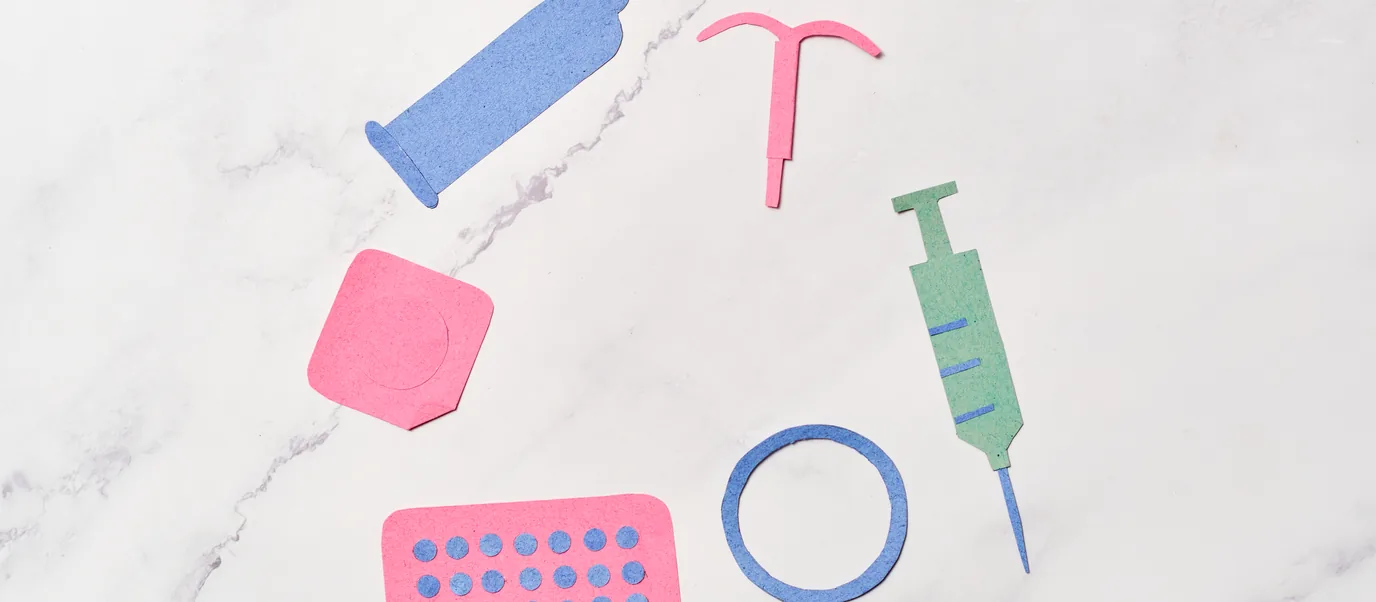
Method finder: options that suit your plans and health
Loading…
Long-acting reversible contraception (LARC)
LARC methods are the most effective reversible options. With typical use, the first-year pregnancy rate is below 1%. There is less room for user error because once in place, there is nothing to remember every day. Fertility usually returns quickly after removal.
Types of IUD
Gold IUD (GoldLuna and similar)
A gold-alloy form of the copper IUD. A gold core is added beneath the copper surface. The aim is to reduce oxidation of the copper and lower the risk of breakage. It is hormone-free. At SoftCare, the gold IUD is our first choice when an IUD is chosen. It is generally effective for 5 years. The Pearl index is about 0.3–0.8. It may make periods heavier in the first 2–3 months. The risk of allergy may be lower than with pure copper.
Method pageCopper IUD
The classic copper form. Effective for 5–10 years. It can also be used as emergency contraception. It may make periods heavier.
Method pageHormonal IUD
Releases levonorgestrel. Effective for 3–8 years. It reduces or can stop menstrual bleeding. It may cause hormonal side effects.
Method page
Before IUD insertion, a pregnancy test, infection screening and measurement of the uterus are done. It can also be placed in women who have never given birth; local anesthesia or sedation options are discussed. Spotting and cramps may occur in the first months. String checks and ultrasound follow-up are planned. Removal is done in the clinic.
Contraceptive implant
- Placed under the skin of the inner upper arm.
- Effective for 3 years.
- Releases a progestin.
- May cause irregular bleeding or stop periods.
- Removal is done under local anesthesia.
LARC methods can also be used while breastfeeding. The hormonal IUD and the implant do not affect breastfeeding. Copper and gold IUDs are hormone-free, so they are a safe choice during breastfeeding. At SoftCare, a postpartum IUD is inserted no earlier than 8 weeks after delivery.
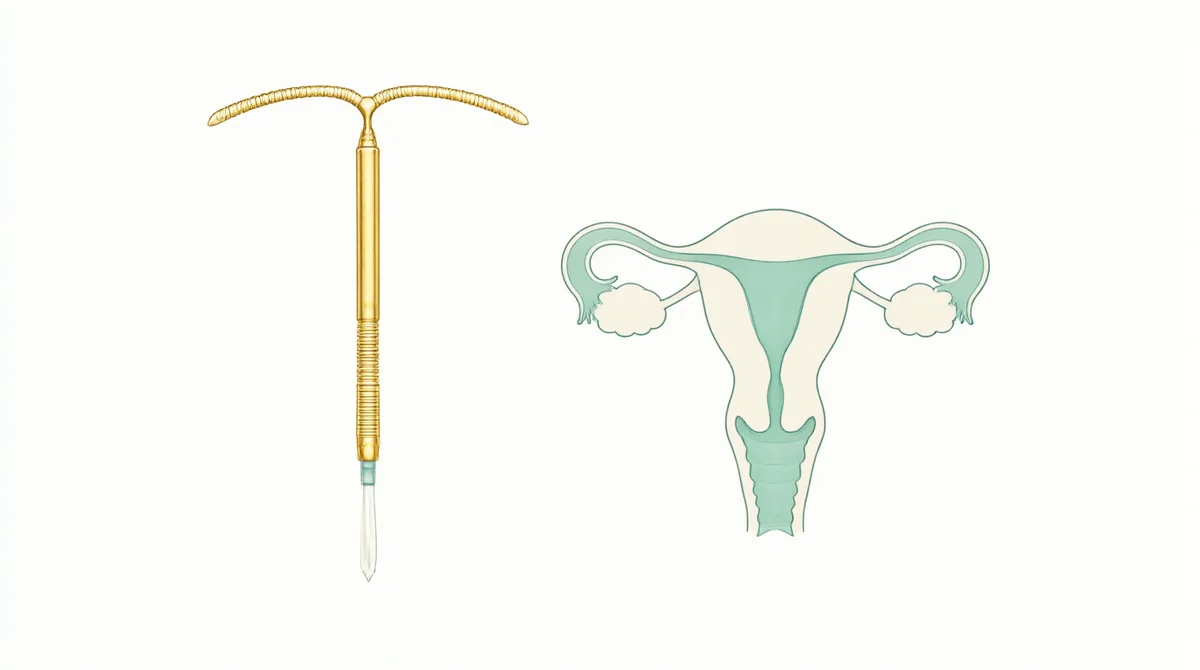
Which IUD? Gold, copper and hormonal IUDs
Loading…
How long does it protect, and how often must you remember it?
Loading…

Short-acting hormonal methods
These methods require you to remember something daily or monthly, so there is a risk of forgetting. With typical use, the first-year pregnancy rate is about 6–9%.
Combined pill (estrogen + progestin)
Taken at the same time every day. It suppresses ovulation and thickens cervical mucus. It regulates periods and reduces bleeding. It is assessed carefully in smokers over 35 and in women with migraine with aura, a history of thrombosis, or high blood pressure. Fertility returns quickly after stopping.
Method pageProgestin-only pill
Suitable for women who cannot use estrogen or who are breastfeeding. It must be taken at the same time every day. It may cause irregular bleeding.
Method pageMonthly or 3-monthly injection
Given at a healthcare facility. Periods may stop. Bone density is monitored with long-term use.
Method pageVaginal ring
Worn for 3 weeks, removed for 1 week. Effectiveness similar to the pill.
Method pageTransdermal patch
Changed weekly. Effectiveness similar to the pill.
Method page
Before starting a hormonal method, we ask about blood pressure, smoking and any family history of thrombosis. A Pap smear and HPV test are planned if needed. If a pill is missed, emergency contraception is discussed.
What to do if you miss a pill?
Loading…
Barrier methods
Barrier methods stop sperm from reaching the uterus. Only condoms provide meaningful protection against STIs.
Condom (male)
A new one is used for every act of sex. Leave space at the tip. With typical use, the pregnancy rate is about 13%. It is the most accessible protection against STIs.
Diaphragm and cervical cap
Used together with spermicide. Training on insertion is needed. STI protection is limited.
Method pageSpermicide
Low effectiveness when used alone. Used together with a barrier method.
Method page
If a condom tears or slips off, emergency contraception is considered. If you have a latex allergy, polyurethane condoms are preferred.
Condom step by step: correct use animation
Loading…
Fertility awareness and traditional methods
The calendar method (rhythm method) is not recommended at SoftCare. Many things that affect the menstrual cycle (stress, travel, illness, thyroid conditions, polycystic ovaries, breastfeeding, stopping a hormonal method) shift the day of ovulation. The calendar cannot predict this shift. With typical use, the first-year pregnancy rate is 15–24%. With irregular periods, the method loses its reliability completely.
Other fertility awareness methods (basal body temperature, cervical mucus, symptothermal) require more daily record-keeping. Even so, they are less effective than LARC or hormonal methods. The withdrawal method is not recommended because it is hard to control. The lactational amenorrhea method (LAM) is only valid during the first 6 months after birth, with exclusive breastfeeding and no return of periods. If any of these conditions no longer applies, another method must be added right away.
People using methods in this group are always told about emergency contraception. Because the risk of unintended pregnancy is high, switching to a modern method is discussed.
Permanent methods
Tubal ligation
The fallopian tubes are tied through laparoscopic or open surgery. Reversal is difficult and not always successful. Other options are discussed before making a permanent decision.
Method pageVasectomy
A procedure performed on the man. An additional method is used until azoospermia is confirmed by semen analysis.
Permanent methods are suitable for couples with no plans for pregnancy. These procedures require a hospital setting and are not performed at the SoftCare clinic; tubal ligation is scheduled at a partner hospital, and a referral is provided for vasectomy. Before that, LARC alternatives are explained in detail.
Emergency contraception
Emergency contraception does not replace a regular method. It is used after sex.
Levonorgestrel pill
Within 72 hours. More effective the sooner it is taken.
Method pageUlipristal acetate
Within 120 hours. Requires a prescription.
Method pageCopper, gold or hormonal IUD
Can be inserted within 5 days. It is the most effective emergency method. If contraception is to continue, the gold IUD is preferred; for a short-term need, the copper IUD; the hormonal IUD may be used at the doctor’s discretion.
Method page
If your next period is late after taking the emergency pill, a pregnancy test is done. If an IUD is to be inserted, infection and pregnancy are ruled out first. At SoftCare, an emergency IUD can be inserted on the same day.
Emergency contraception: options by hours since intercourse
Loading…
Effectiveness comparison (typical use, first-year pregnancy rate)
First-year pregnancy rate with typical use
- Implantabout 0.05%
- Gold IUD and copper IUD0.3–0.8%
- Hormonal IUD0.1–0.4%
- Tubal ligationabout 0.5%
- Injectionabout 6%
- Pill, ring, patch7–9%
- Condomabout 13%
- Calendar method and withdrawal15–24%
- No methodabout 85%
With perfect use, the rates are lower. With LARC methods, user error is minimal. That is why, at SoftCare, the gold IUD is our first recommendation for those who want long-term protection.
100 women, 1 year: pregnancies by method
Loading…
STIs and extra protection
Hormonal methods, IUDs and the implant do not protect against STIs. A condom should be added. The HPV vaccine and regular Pap smear/HPV screening are covered separately. If there is a new partner or another risk, STI testing (chlamydia, gonorrhea, HIV, syphilis, hepatitis B) is discussed. The gold IUD is claimed to have an antimicrobial effect, but protection against STIs has not been proven; a condom is still needed.
What to consider when choosing a method
- Menstrual pattern and amount of bleeding (with heavy periods, a hormonal IUD or the pill may be preferred)
- Smoking, high blood pressure, migraine with aura, history of thrombosis (the combined pill may be contraindicated)
- Breastfeeding (progestin-only or hormone-free methods)
- Timing of pregnancy plans (short-acting if planned soon, LARC if planned much later)
- STI risk (a condom is added)
- Drug interactions (some antibiotics and antiepileptics may reduce the pill’s effectiveness)
- Uterine abnormality or frequent pelvic infections (an IUD may not be suitable)
- Over 40 (if there are no risk factors, the hormonal IUD and the combined pill can be used up to age 50)
The CDC US MEC 2024 medical eligibility criteria are used. If there is a contraindication, an alternative method is discussed. At SoftCare, a Pap smear, ultrasound and any necessary tests are planned before a decision is made.
When does fertility return after stopping?
Loading…
Switching methods without a gap in protection
Loading…
After childbirth: which method can be started when?
Loading…
Our approach at SoftCare
At SoftCare Clinic, contraceptive counseling starts with your gynecological history and an examination. We ask about your menstrual pattern, pregnancy plans, smoking and any history of thrombosis. When an IUD is chosen, the gold IUD is our first choice; insertion is done in the clinic. Pills and injections are prescribed. Information is given about condoms and emergency contraception. The calendar method is not recommended, and the risk posed by cycle irregularities is clearly explained. If there is an STI risk, testing is planned. Each method’s own page covers use, side effects, follow-up and removal in detail.
Appointments: +90 212 241 30 10 · softcareclinic.com
Compare methods
Loading…

References
- 1. Centers for Disease Control and Prevention (CDC). U.S. Medical Eligibility Criteria for Contraceptive Use, 2024.
- 2. Centers for Disease Control and Prevention (CDC). Contraception and Birth Control Methods.
- 3. World Health Organization (WHO). Family planning/contraception methods. Fact sheet.
- 4. American College of Obstetricians and Gynecologists (ACOG). Long-Acting Reversible Contraception: IUD and Implant.
- 5. T.C. Sağlık Bakanlığı. Gebeliği Önleyici Yöntemler.
- 6. Trussell J. Contraceptive failure in the United States. Contraception. 2011;83(5):397–404.
- 7. Winner B, et al. Effectiveness of long-acting reversible contraception. N Engl J Med. 2012;366:1998–2007.
- 8. GoldLuna. Hormonfreie Spiralen – FAQ.
- 9. Eurogine. Gold T RİA teknik özellikleri.
- Note: Effectiveness rates and medical eligibility criteria are updated by the physician in line with current CDC and WHO guidelines. Prioritizing the gold IUD is a SoftCare clinical preference. This reference list is for information purposes.
A citation does not mean that SoftCare wrote that text.
Medically reviewed by Op. Dr. Şükrü Sanus, Obstetrician & Gynecologist · Last medical review: