
Birth Control Methods
Tubal Ligation
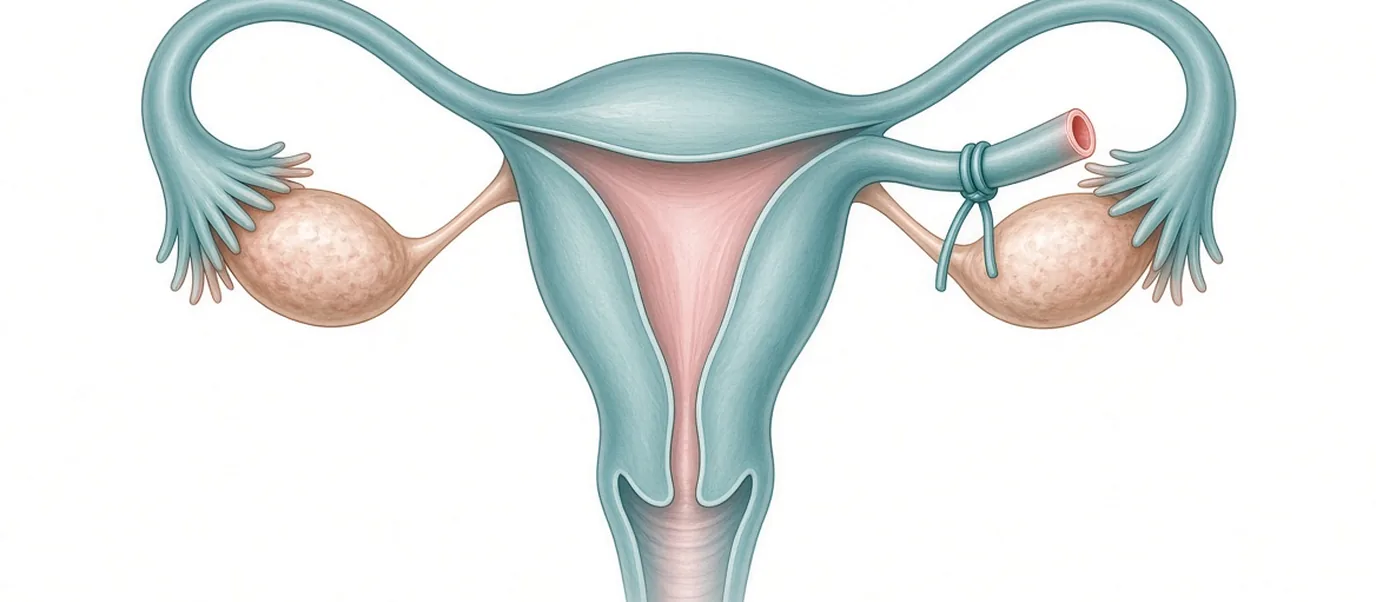
How it works
The fallopian tubes carry the egg from the ovary to the uterus. Sperm meet the egg in the tube. In tubal ligation, the tubes are tied, cut or cauterized. The egg and sperm cannot meet. The ovaries keep working. Your menstrual cycle does not change. Hormone production is not affected. Sex drive and sexual activity are not affected. The method only prevents pregnancy. It does not protect against STIs. A condom should be added.
Method card: effectiveness, duration, hormones and STI protection
Loading…
Who it is suitable for
- Women whose families are complete
- Those who do not want any future pregnancies
- Those with a planned cesarean section who want the procedure at the same time
- Those for whom pregnancy carries a high medical risk
- Those who do not want to use reversible methods
The procedure is performed at the request of an adult. If the person is married, the spouse’s written consent is required. For those under 18, permission from the legal guardian and a civil court judge (sulh hakimi) is mandatory. If there is a medical contraindication, the procedure is not performed. At SoftCare, counseling is provided before a decision is made. Alternative methods are explained.
Legal framework in Turkey
The main regulation is Law No. 2827 on Population Planning. The law was adopted on 24 May 1983 and published in the Official Gazette on 27 May 1983.
Article 4: Sterilization is the elimination of a person’s ability to have children without preventing the satisfaction of their sexual needs. If there is no medical contraindication, it is performed at the request of an adult.
Article 6: If the person is married, the spouse’s consent is also required. For minors, the consent of the minor and the parent is required; for persons under guardianship, the consent of the person, the guardian and a civil court judge is required. In life-threatening emergencies, the consent requirement may be waived.
The procedure is carried out under state supervision and oversight. The Regulation on the Delivery of Population Planning Services and the Bylaw on the Delivery and Supervision of Uterine Evacuation and Sterilization Services set out the rules of practice. In women, the procedure is performed by an obstetrician-gynecologist or a general surgeon. At SoftCare, the legal consent process is carried out in full. The spousal consent document is obtained in writing.
Practice in state hospitals
In Turkish state hospitals, tubal ligation is offered as part of family planning services. It is performed at hospitals with an obstetrics and gynecology department. It can be done as an additional procedure during a cesarean section. It can also be scheduled as a separate operation.
Application process:
- Apply to the gynecology outpatient clinic
- Counseling and information
- Written consent (spousal consent if married)
- Medical assessment
- Surgery planning
In state hospitals, the procedure may be covered by social security. Appointment and waiting times vary by hospital. At SoftCare, counseling and the consent process are carried out at the clinic; because the procedure requires a hospital setting, it is performed at a partner hospital. Patient preference and medical eligibility are assessed.
During a cesarean section
In Turkey, the most commonly chosen time is during a cesarean section. After the baby is delivered, the tubes are tied through the same incision. No additional incision is needed. The procedure takes 5–10 minutes. It adds no extra risk to the cesarean itself. Anesthesia has already been given. The patient follows the same discharge plan.
Advantages:
- No additional operation is needed
- No additional incision
- No repeat anesthesia
- The hospital stay is not extended
- Lower cost
This option is discussed with women who have a planned cesarean section and do not want any future pregnancies. At SoftCare, the tubal ligation option is explained during counseling before the cesarean. The decision belongs to the patient and her spouse. There is no pressure.
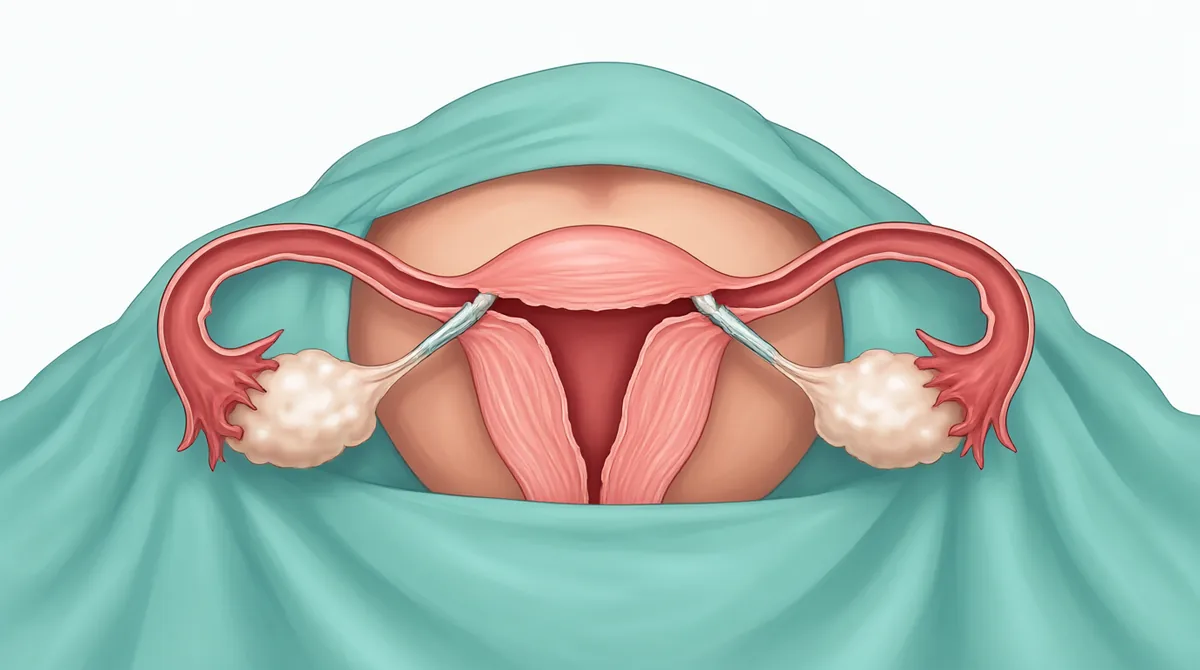
Other timings
- Within 48 hours after giving birth: Done through a mini-laparotomy just below the navel.
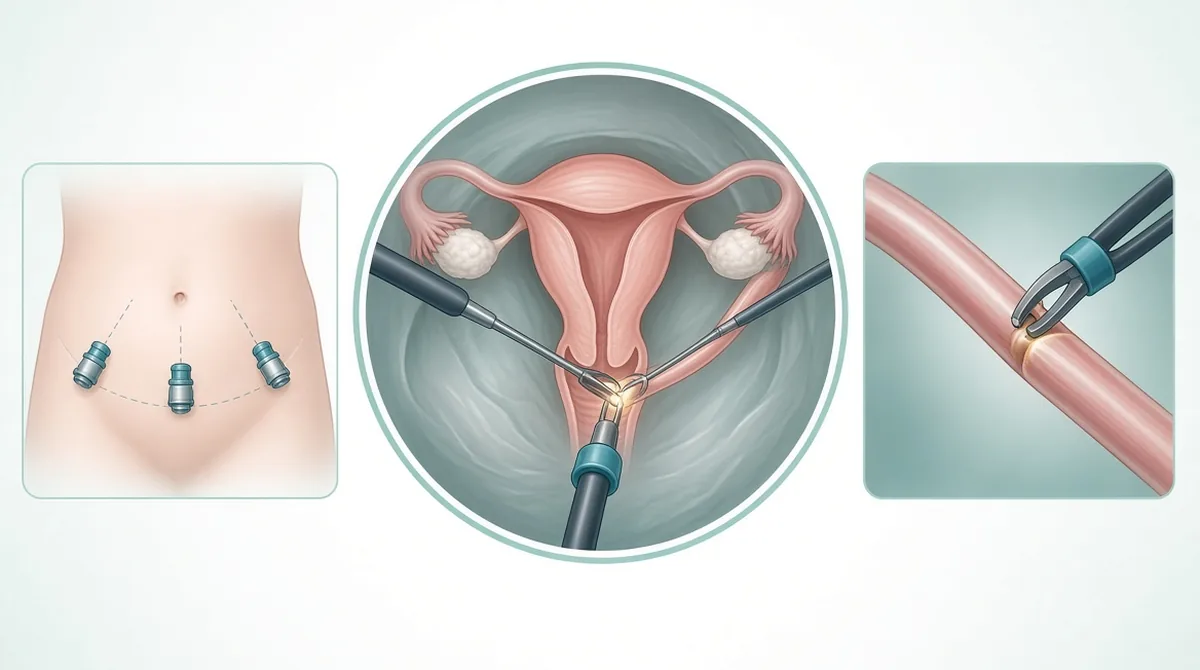
- Interval ligation: Done by laparoscopy 6 weeks after giving birth or during the menstrual phase.
- Laparoscopic: With a camera through the navel. You may go home the same day.
- Minilaparotomy: Through a small incision. General or spinal anesthesia.
The approach is chosen based on patient preference, previous surgery and hospital resources. At SoftCare, laparoscopic or minilaparotomy options are discussed.
Surgical techniques
- Pomeroy method: The tube is looped, tied and cut. This is the classic method.
- Parkland method: The tube is cut in the middle and the ends are tied.
- Electrocoagulation: The tube is cauterized during laparoscopy.
- Clip or ring: A clip or silicone ring is placed on the tube.
- Salpingectomy: The tube is removed completely. This may lower the risk of ovarian cancer.
During a cesarean section, the Pomeroy or Parkland method is often used. In laparoscopy, electrocoagulation or clips may be preferred. The technique is chosen during the surgical assessment at the partner hospital, based on the patient and surgical suitability.
Effectiveness
With a perfectly performed procedure, the first-year pregnancy rate is about 0.5%. The cumulative pregnancy rate over 10 years is around 1–2%. Failure is usually caused by the ends of the tube growing back together. There is a risk of ectopic pregnancy. If pregnancy is suspected after the procedure, ectopic pregnancy must be ruled out. At SoftCare, effectiveness and ectopic risk are explained in advance.
100 women, 1 year: pregnancies by method
Loading…
Risks and complications
- Bleeding
- Infection
- Anesthesia risk
- Bowel or bladder injury (rare)
- Adhesions
- Ectopic pregnancy (if the procedure fails)
- Regret
The risk of death is less than 4 per 100,000 procedures. When done during a cesarean section, the additional risk is low. At SoftCare, the risks are listed in the written consent form.
Reversal and regret
The procedure is considered permanent. Tubal reversal surgery can be done. The success rate is around 50–70%. The risk of ectopic pregnancy increases. IVF is an option. Regret is more common at a young age, with fewer children, or after a change of partner. At SoftCare, the risk of regret is discussed before the procedure. LARC is recommended for younger patients.
Compare methods
Loading…
Effect on periods and hormones
Your menstrual cycle does not change. The ovaries keep working. Hormone production is not affected. The timing of menopause does not change. Sex drive and sexual activity are not affected. Some women may have less period pain. At SoftCare, this point is clearly explained.
STI protection
Tubal ligation does not protect against STIs. A condom should be added. If there is a new partner or another risk, STI testing is discussed. At SoftCare, this reminder is given at every consultation.
The counseling process
Counseling before the procedure takes place in at least one consultation. The method is explained to the patient and her spouse. Effectiveness, risks, the possibility of regret and alternatives are discussed. A written information form is provided. Questions are answered. The decision is not rushed. At SoftCare, the gold IUD and other LARC methods are also explained during counseling. The patient makes her choice with full knowledge of these.
The consent process
An adult patient gives her own consent. If married, the spouse signs a written consent document. The document is obtained together with an ID card. For minors, permission from the parent and a civil court judge is required. For persons under guardianship, the consent of the person, the guardian and a civil court judge is required. In a life-threatening emergency, the consent requirement may be waived. At SoftCare, the consent document is archived. It is checked before the procedure.
Steps to apply at a state hospital
- 1. Apply to your family physician or a gynecology outpatient clinic.
- 2. Counseling and information.
- 3. Written consent and spousal consent.
- 4. Medical assessment (blood tests, ultrasound).
- 5. Surgery appointment.
- 6. Preparation on the day of the procedure.
- 7. Discharge and follow-up.
In state hospitals, waiting times vary by hospital and workload. If it is to be done during a cesarean section, it is included in the birth plan. At SoftCare, counseling and consent are completed at the clinic; the procedure is scheduled at a partner hospital. An appointment at the clinic is given for counselling and the suitability assessment.
Procedure details during a cesarean
After the baby is delivered through the cesarean incision, the tubes are visualized. They are tied and cut using the Pomeroy or Parkland technique. The procedure takes 5–10 minutes. Bleeding is checked. The abdomen is closed. No additional incision is needed. The time under anesthesia is slightly longer. Discharge follows the cesarean plan. At SoftCare, this option is discussed before the cesarean. The decision belongs to the patient and her spouse.
Laparoscopic procedure details
A camera is inserted through a 1 cm incision at the navel. Two more small incisions are made. The tubes are visualized. Electrocoagulation or clips are applied. The procedure takes 20–40 minutes. You may go home the same day. Pain is usually mild. A check-up is done after 1 week. At SoftCare, the laparoscopic option is discussed with patients who want a separate operation.
Minilaparotomy details
A 3–5 cm incision is made below the navel. The tubes are brought out. They are tied and cut. Spinal or general anesthesia is used. The procedure takes 30–45 minutes. A 1-day hospital stay may be needed. It is preferred within 48 hours after giving birth. At SoftCare, this approach is discussed with suitable patients.
Effectiveness in detail
With a perfectly performed procedure, the first-year pregnancy rate is about 0.5%. The cumulative rate over 10 years is 1–2%. Failure is usually caused by the ends of the tube growing back together. Failure is slightly higher when the procedure is done at a young age. There is a risk of ectopic pregnancy. If you have a late period or abdominal pain after the procedure, ectopic pregnancy must be ruled out. At SoftCare, this risk is explained in writing.
Risks in detail
Bleeding: Can occur during or after the procedure. It is usually controlled. Infection: Wound or pelvic infection is rare. It is treated with antibiotics. Anesthesia risk: Depends on general or spinal anesthesia. An assessment is done. Organ injury: Bowel or bladder injury is rare. It is slightly more likely with laparoscopy. Adhesions: Adhesions may form inside the abdomen. They can lead to pain or bowel problems in the future. Ectopic pregnancy: If the procedure fails, the risk of ectopic pregnancy increases. Urgent evaluation is needed. Regret: More common at a young age, with fewer children, or after a change of partner.
At SoftCare, the risks are listed in the consent form. The patient can ask any questions.
Reversal in detail
Tubal reversal surgery is done with microsurgery. The success rate is 50–70%. The risk of ectopic pregnancy increases. IVF is an option. Success depends on age and the extent of tubal damage. At SoftCare, the difficulty of reversal is explained before the procedure. LARC is recommended for patients at high risk of regret.
Ovarian cancer and salpingectomy
Some studies have shown that tubal ligation lowers the risk of ovarian cancer. Salpingectomy (complete removal of the tube) may lower this risk further. At SoftCare, this option is discussed with suitable patients. The decision is based on the patient and surgical suitability.
Periods and hormones in detail
Your menstrual cycle does not change. The ovaries keep working. Estrogen and progesterone production are not affected. The timing of menopause does not change. Sex drive and sexual activity are not affected. Some women may have less period pain. At SoftCare, this point is clearly explained. No hormonal change is expected.
STIs and follow-up
Tubal ligation does not protect against STIs. A condom should be added. Annual gynecological examinations and Pap smears continue. Check-ups are done 1 week and 1 month after the procedure. If you have a late period or abdominal pain, ectopic pregnancy is ruled out. At SoftCare, the follow-up plan is given in writing.
Our approach at SoftCare
At SoftCare Clinic, tubal ligation is discussed with patients who want a permanent method. The gold IUD and other LARC methods take priority. For patients with a planned cesarean section, the option of having it done at the same time is explained. The legal consent process is carried out in full. If the patient is married, spousal consent is obtained in writing. Counseling covers effectiveness, risks, regret and alternatives. The procedure is not performed at the clinic; because it requires a hospital setting, it is scheduled at a partner hospital, either laparoscopically or during a cesarean section. If there is an STI risk, condoms and testing are recommended. The signs of ectopic pregnancy after the procedure are explained.
Appointments: +90 212 241 30 10 · softcareclinic.com
References
- 1. 2827 sayılı Nüfus Planlaması Hakkında Kanun (24.05.1983). Madde 4 ve 6.
- 2. Nüfus Planlaması Hizmetlerini Yürütme Yönetmeliği.
- 3. Rahim Tahliyesi ve Sterilizasyon Hizmetlerinin Yürütülmesi ve Denetlenmesine İlişkin Tüzük.
- 4. American College of Obstetricians and Gynecologists (ACOG). Sterilization.
- 5. Centers for Disease Control and Prevention (CDC). U.S. Medical Eligibility Criteria for Contraceptive Use, 2024.
- 6. Trussell J. Contraceptive failure in the United States. Contraception. 2011;83(5):397–404.
- 7. T.C. Sağlık Bakanlığı. Aile Planlaması Hizmetleri.
- Note: Legal rules are verified by the physician against current legislation. At SoftCare, the gold IUD is our first choice; tubal ligation is discussed with selected patients who have completed the legal consent process. This reference list is for information purposes.
Frequently asked questions
Can it be done during a cesarean section?
Yes. This is the most commonly chosen time. No additional incision is needed. The procedure takes 5–10 minutes.
Is spousal consent required?
Yes. If you are married, Law No. 2827 requires your spouse’s written consent.
Can it be done at a state hospital?
Yes. It is performed at state hospitals with an obstetrics and gynecology department. It may be covered by social security.
Will my periods change?
No. The ovaries keep working. Your menstrual cycle does not change.
Can it be reversed?
It is difficult. Tubal reversal surgery can be done. Success is 50–70%. IVF is an option.
Does it protect against STIs?
No. A condom is needed.
Do I need to have a certain number of children?
Legally, there is no requirement for a specific number of children. If there is no medical contraindication, the request of an adult is sufficient. If married, spousal consent is required.
Is it done at SoftCare?
It is not performed at the clinic; the procedure requires a hospital setting. Counseling and legal consent are completed at SoftCare, and the procedure is performed at a partner hospital. The gold IUD is our first choice.
When could I get pregnant?
Pregnancy is not expected after the procedure. If it fails, there is a risk of ectopic pregnancy. If your period is late, a test is done.
A citation does not mean that SoftCare wrote that text.
Medically reviewed by Op. Dr. Şükrü Sanus, Obstetrician & Gynecologist · Last medical review: