
Gynecological Exams / Tests
Pain During Sex
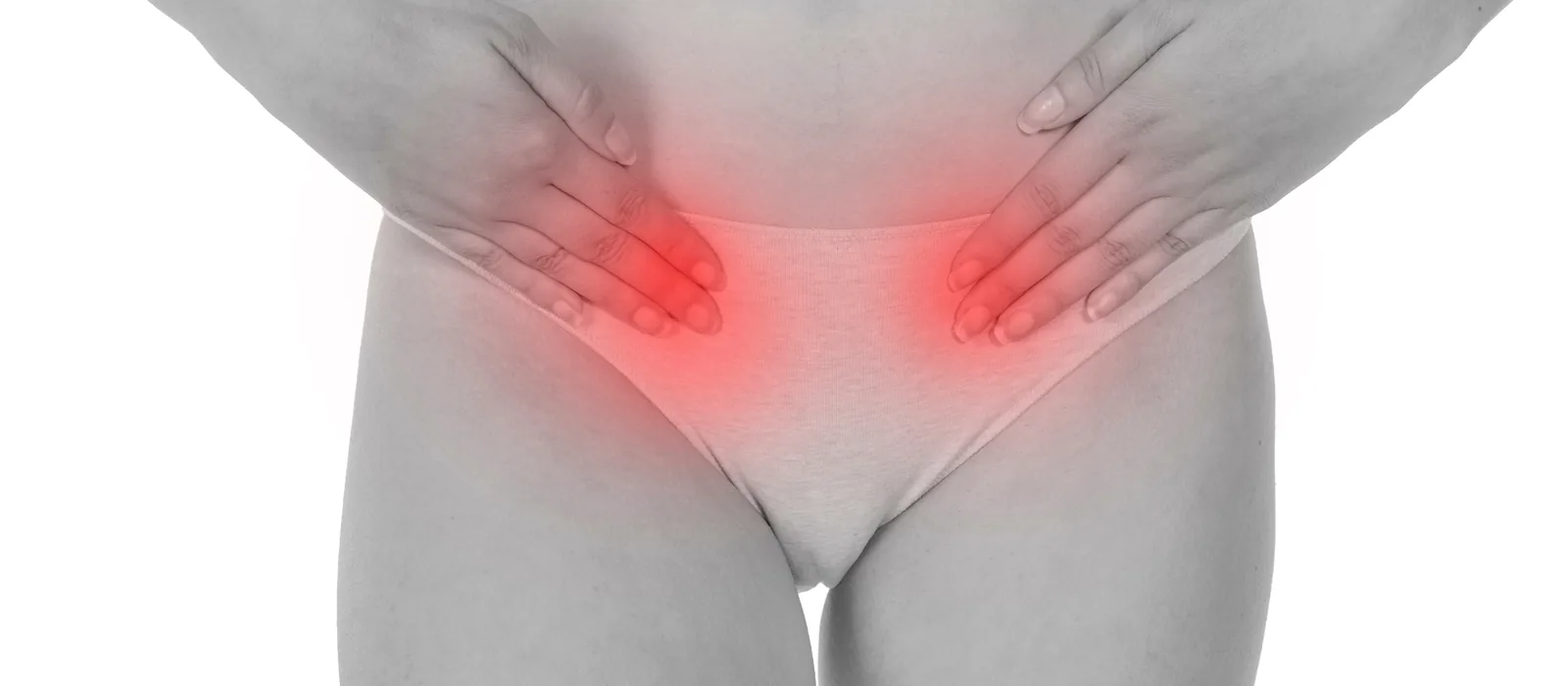
Entrance versus deep
| Where | How women describe it | What is checked first |
|---|---|---|
| Entrance | Burning or stinging as soon as there is touch | Thrush, vestibule, muscles, dryness |
| Deep | Groin and lower back pain with thrusting | Endometriosis, adenomyosis, infection |
| Aching afterwards | For hours after sex | Pelvic floor, endometriosis |
| Closing up at first intercourse | Penetration is not possible | Vaginismus; forcing does not solve it |
| Menopause, breastfeeding | Dryness, friction | Low oestrogen |
| After childbirth | Stitches, dryness, fear | Healing and breastfeeding |
Entry pain cannot be reduced to “being too tight”. Point tenderness at the vestibule, burning after thrush and involuntary tightening are three separate doors. Deep pain cannot be dismissed as “psychological”. ESHRE lists deep pain during sex among the signs that raise suspicion of endometriosis. Ultrasound can show a cyst, but it often misses superficial lesions.

Infection and dryness
Thrush causes itching and burning and makes sex sharper. If it keeps coming back, a culture identifies the type (see the culture page). Bacterial vaginosis mostly causes odour and does not explain burning on its own. Cervicitis can come with spotting. Antibiotics are not prescribed for every burning sensation.
During breastfeeding and menopause, the vaginal wall becomes thinner. Friction alone is enough to hurt. Moisturisers and, where suitable, local oestrogen are discussed. Hormones by mouth are not started for every woman. If there is a concern about the breast or the womb, that door is closed first.
Vaginismus
Vaginismus is an involuntary tightening of the pelvic floor when penetration is attempted. The woman wants it, but the body closes up. Forcing teaches the muscle to tighten; it does not open it. An examination can trigger the same closing. A speculum is not imposed that day. Treatment is muscle training, a gradual approach and, if needed, pelvic physiotherapy. Hymen repair and vaginal tightening are not the first answer to this condition.
Deep pain
If deep stabbing pain comes together with period pain and pain when opening the bowels, endometriosis comes to mind. ACOG says endometriosis should be considered with this cluster of symptoms. If moving the organs during the examination causes pain, it is noted. Ultrasound looks for chocolate cysts and signs of adenomyosis. A negative ultrasound does not rule the disease out. If there is no wish to get pregnant, hormone treatment can be discussed to reduce the pain. Surgery is chosen according to imaging and response to treatment; it is not the first sentence.
Pelvic inflammatory disease comes with fever, discharge and pain on movement. Pain during sex on its own is not this diagnosis. If there is a wish to get pregnant, damage to the tubes is discussed separately.

After childbirth and surgery
After giving birth, dryness, stitches and tiredness make pain last longer. Reaching six weeks means sex is allowed; it does not guarantee pain-free sex. A stitch granuloma or a narrowed entrance can be seen on examination. An episiotomy scar is not the culprit in every woman. Pain during sex early after genital cosmetic surgery is part of healing time. Entry pain that lasts for months needs a new examination; it is not the announcement of a second operation.
What not to do
Pain is not put off on the grounds that “you’ll get used to it”. Not every deep pain gets an immediate laparoscopy. Not every entry pain gets tightening or a hymen procedure. Lubricant is enough for some women, but it does not treat infection or endometriosis. Blaming the partner is not a plan. Antidepressants are not started before the location of the pain is written down.

Our approach at SoftCare
Pain during sex is not closed off without asking where it hurts. At the entrance, thrush, the vestibule and the muscles are checked. The sample is taken at the clinic. If deep pain comes with period pain, endometriosis is discussed and an ultrasound is done. With vaginismus, a speculum is not forced. The hymen and vaginal tightening pages are not the first treatment for this pain. In menopause and breastfeeding, dryness is recorded separately.
Frequently asked questions
Is pain normal?
It can be common. Pain that is constant and makes you avoid sex is not considered normal.
Are entrance and deep pain the same?
No. Treatment depends on where it hurts.
The thrush has cleared, but the pain hasn’t stopped
The vestibule and the muscles are checked separately.
Does a normal ultrasound rule out deep pain?
No. Superficial endometriosis can stay hidden.
What does closing up at first intercourse mean?
It may be vaginismus. Forcing does not solve it.
Does sex hurt in menopause?
Dryness is common. Cancer and infection are not overlooked.
When after childbirth?
A healed wound may not be enough. If pain continues, it is checked.
Is surgery needed?
Not before the cause is written down.
Listing these sources does not mean SoftCare wrote those texts.
References
- Practice Bulletin No. 213: Female Sexual Dysfunction. American College of Obstetricians and Gynecologists (ACOG). Obstetrics & Gynecology 134(1), 2019.
- ESHRE guideline: endometriosis. Becker CM, et al. Human Reproduction Open 2022(2), 2022.
- ACOG Clinical Practice Guideline No. 11: Diagnosis of Endometriosis. American College of Obstetricians and Gynecologists (ACOG). Obstetrics & Gynecology 147:432–448, 2026.
- 2015 ISSVD, ISSWSH and IPPS Consensus Terminology and Classification of Persistent Vulvar Pain and Vulvodynia. Bornstein J, et al. Obstetrics & Gynecology 127(4), 2016.
- Vulvovaginal Candidiasis — STI Treatment Guidelines, 2021. Centers for Disease Control and Prevention (CDC), 2021.
Medically reviewed by Op. Dr. Şükrü Sanus, Obstetrician & Gynecologist · Last medical review: